
Choosing casino games is easier when you start with what you enjoy: quick decisions, thoughtful strategy, social interaction, or a relaxed pace. A well-organized casino gives players ways to explore different formats, compare rules, and find games that fit their preferences without treating every option as the same experience. For players considering online casinos, the Spinfyre login experience can be one part of assessing how clearly a platform presents its games and account features. This guide explains how to match slots, table games, live dealer options, and other casino formats to your play style, while keeping spending limits, game rules, and responsible play central to the decision.

Casino game selection and player value at a glance
Casino games offer different kinds of entertainment, and the right choice depends on more than a theme or a headline feature. Slots often suit players who want simple controls and varied visuals, while blackjack and poker can appeal to those who enjoy learning rules and making decisions. Roulette is built around clear wagers and suspense, and live dealer games add a real-time presentation. Comparing these formats helps you choose based on pace, complexity, and interaction rather than assuming one game is best for everyone.
Player value is also about understanding what a game offers before you begin. Check the rules, minimum and maximum stakes, round length, and whether a game includes bonus features or side bets. A low minimum can help you keep sessions within a chosen budget, but it does not change the underlying odds. Likewise, a large jackpot or attractive presentation does not guarantee a return. Treat casino play as paid entertainment, set a limit you can afford to lose, and choose games whose mechanics you understand.
How to choose and start playing casino games
A short selection process can prevent a rushed choice. Begin with your preferred pace and level of involvement, then check the game rules and stake range. If a casino offers a free-play or demonstration mode, use it to learn the controls before wagering. Availability and features vary by casino and location, so review the information displayed for the specific game you plan to play.
- Set a session budget: Decide in advance how much you are comfortable spending on entertainment, and do not borrow or use money needed for essentials.
- Choose your pace: Pick slower decision-based play, quick automated rounds, or a live format according to how much attention and time you want to give a session.
- Read the rules: Review paytables, betting options, special features, and any game-specific terms before placing a wager.
- Check the stake range: Confirm that the minimum and maximum bets suit your budget, and avoid increasing stakes to chase a result.
- Try a small session: Begin with a modest amount and pause at your planned time or spending limit, regardless of whether you are ahead or behind.
- Clear rules make it easier to compare game formats.
- A chosen budget helps keep entertainment spending controlled.
- A trial session can reveal whether a game’s pace feels comfortable.
- Checking stake limits helps avoid starting at an unsuitable level.
Practical ways to match casino games to your preferences
Think about what you want to experience during a session. If you prefer straightforward play, slots usually have familiar controls, although their themes, paylines, bonus rounds, and volatility can differ considerably. Players who enjoy making choices may prefer blackjack, where decisions such as hitting or standing shape each hand, or poker variants that involve more rule learning. Roulette offers a different kind of anticipation, with wagers placed on outcomes such as a number, color, or range. Each format has its own rules and probabilities, so learn the basics before staking money.
Also consider how much interaction you want. A standard digital game can be played at your own pace, while a live dealer table follows a host and round schedule. Live formats may feel more social, but they can move at a different speed and may have higher minimum stakes than some digital games. If you are playing on a phone, check that the interface makes rules, wager controls, and session limits easy to use. A game that looks appealing but feels confusing or too fast may not be a good fit.
- For simple controls: Explore slots, and review their paytables and feature rules before playing.
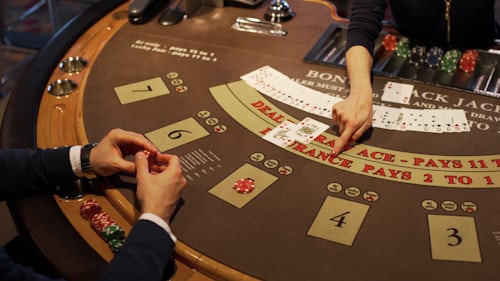
- For decision-making: Consider blackjack or a suitable poker format after learning its rules.
- For suspenseful wagers: Look at roulette and compare the available betting options.
- For a hosted experience: Try a live dealer game if its pace, table rules, and minimum stake suit you.
- For a short session: Choose a format with clear stopping points and keep a timer alongside your budget.
Do not treat game labels as promises of better results. A game’s return information, when available, is a theoretical measure over extensive play, not a prediction for a single session. Volatility describes how results may vary, not whether a player will win. Side bets and bonus rounds can add complexity and may change the risk profile. Compare the rules and features calmly, then choose the option that feels understandable and enjoyable within your personal limits.
Benefits of choosing games that fit your play style
Matching a game to your preferences can make casino entertainment easier to manage. When you understand the controls and know how quickly rounds proceed, you can make more deliberate choices about session length and spending. The goal is not to find a guaranteed outcome; casino games involve chance, and no format can ensure a win. Instead, use your preferences to narrow the selection and make informed decisions. A suitable game should be clear enough to understand, available at stakes that fit your budget, and enjoyable without pressure to keep playing.
- More comfortable pacing: Choose between quick rounds, deliberate decisions, or a live table rhythm.
- Better-informed play: Familiar rules help you understand wagers and special features before committing money.
- Budget alignment: Comparing minimum stakes can help you avoid games that exceed your planned spend.
- Greater variety: Exploring distinct formats can help you find entertainment beyond a single familiar game.
It is equally useful to know when to stop. Take breaks, keep track of deposits and time, and do not raise your budget to recover losses. If a game stops feeling entertaining or you feel unable to stick to your limits, end the session and consider using account controls or seeking support. Choosing a game well includes choosing boundaries that protect your wellbeing.
Casino safety, fair play, and responsible decisions
Before playing for real money, check that the casino is legally available where you live and that the operator holds the required local authorization. Read the terms for account access, deposits, withdrawals, and identity checks, and look for clear information about customer support and complaint procedures. A reputable service should explain how it protects personal and payment information and how its games are tested or monitored. Do not assume that a familiar design, a game provider’s name, or an advertised feature is proof of licensing. Verify relevant details through official regulatory sources where possible.
Responsible play is part of selecting a game, not an optional extra. Set limits for deposits, losses, and session time before you begin, and use available reminders or timeout tools. Never gamble with money intended for rent, bills, food, or other essentials, and avoid playing when upset, tired, or under the influence. Gambling outcomes are uncertain, and previous results do not make a future win more likely. If gambling causes distress or affects relationships or finances, stop and contact a qualified support service in your area. Restrictions and support options vary by location.
Why choose casino games with a clear personal fit
The best casino game for you is the one whose pace, rules, and stake range match your preferences and limits. A player who wants simple, visually varied rounds may enjoy slots, while someone who likes strategic decisions may prefer blackjack or poker. Roulette can suit those who favor clear, suspenseful wagers, and live dealer games provide a hosted format for players comfortable with its schedule and table limits. These are differences in experience, not guarantees of better results. Compare the game information carefully and choose only when you understand how it works.
Use your budget and time limits as firm boundaries, and treat every wager as entertainment spending rather than a way to earn money. Start with a format that feels approachable, review the rules, and pause whenever play no longer feels enjoyable. A thoughtful choice can make a casino session more comfortable and informed, while responsible limits help keep the experience in perspective. If you cannot follow your limits, stop playing and seek support instead of switching to another game or increasing your stakes.
